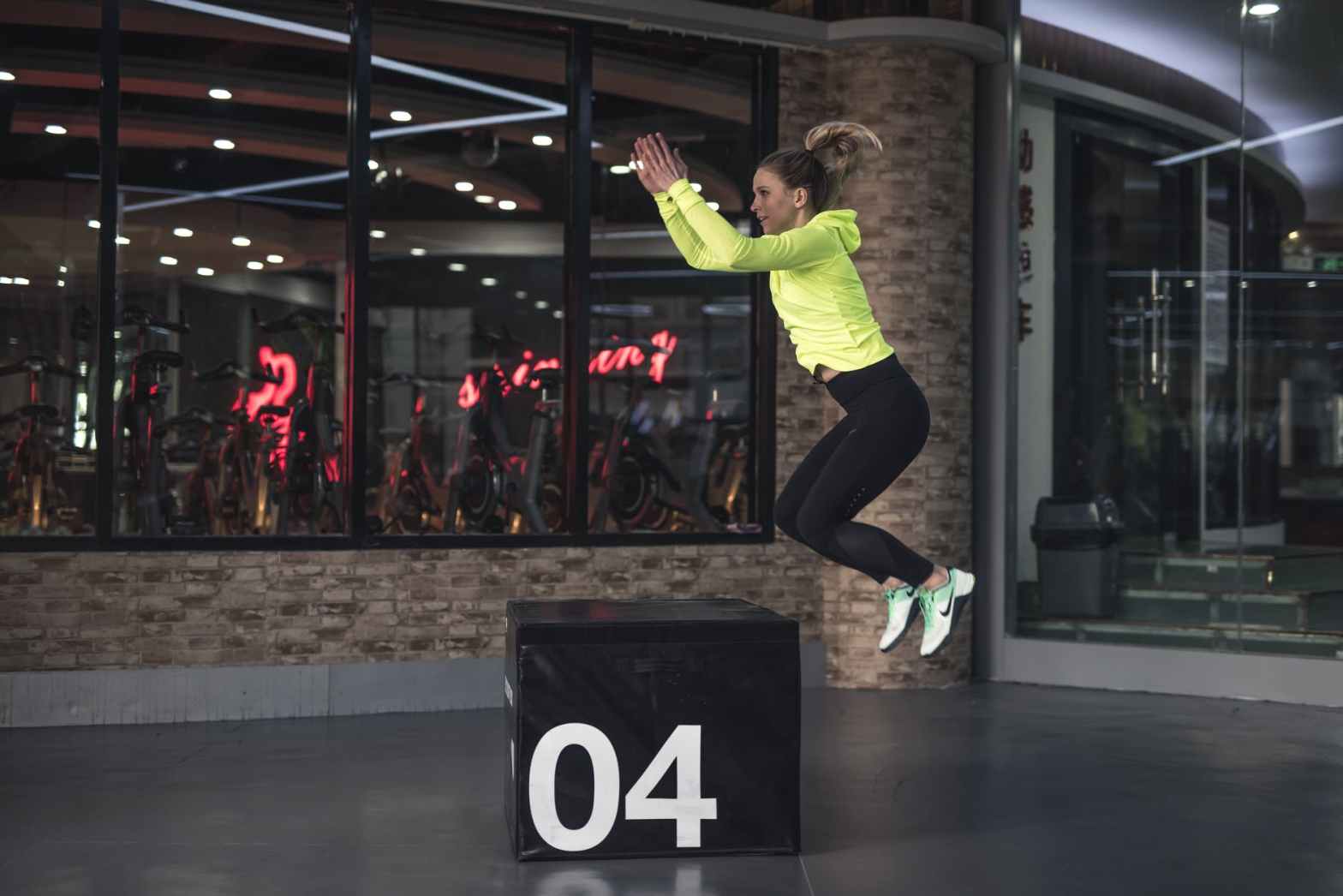
Running, jumping, crawling…..climbing, going backward, sideways are all movements that we are all designed to do. Many will say I can’t do that, but the reality is you can….or you probably could and something has happened that has impacted that confidence to try.
We have focused quite a lot of this challenge on running and walking. Why? …..because it’s free, does not require any equipment and most importantly you get outside presenting you with an opportunity to get in touch with nature and the fresh air. Something we did as kids but probably less as adults given our busy lifestyles.
Quite recently many have told us we can’t run or walk because it hurts my knees or my back….or I have or had a pre-existing injury. We are quick to head to the doctors and in some cases start popping pills that help us with the pain.
Not many of us stop to think about how we move and whether that has anything to do with the pain that we suffer. How our body stacks up and balances forces throughout the body is so important especially when we engage in higher impact activities such as running. At the end of the day running is the control of forces and distribution through your legs, hips, calves, core, feet, and many other complex parts of the body that work to keep us moving. Any imbalance here can lead to overuse, pain, and potential injury if a joint or muscle group constantly has to overcompensate for poor or inconsistent form.
We all run and walk in different ways and often we don’t think about how we do it. We just do it! Many of us just get out there and do it….and if we get injured….so be it…..recover and do it again. There is little to no analysis of why it occurred and whether there is a root cause somewhere else contributing to the recurrence of an injury. The more we get injured and don’t stop to address it the higher the probability it will happen again.
A common injury amongst sprinters or those who engage in high-velocity sports such as football (soccer), rugby….other ball sports is tearing of the hamstrings. When it happens many are told to rest a few days to weeks (depending on the grade of tear), then get back to it. Often that tear will repeat itself even after a long period of recovery. The reasons in most cases being
- The root cause of the injury was never isolated or addressed
- Rest and icing is only one part of the recovery process. Developing the muscle again and making it stronger after a tear(s) is critical. The more you tear a muscle the weaker it inherently becomes and the right rehabilitation is key
- Tearing the hamstrings doesn’t necessarily mean weak hamstrings. It could mean they are taking a load they weren’t designed to take because other muscle groups such as the hips, glutes, calves are not doing their jobs. Self-analysis and working with a fitness professional or sports doctor can help isolate instances where this might be occurring
Have a team of people on your side or that you can speak or refer to. This may include a physio, sports doctor, podiatrist…and many others depending on what you need. Finding professionals that meet your needs technically and emotionally takes time and effort, but it is worth the investment so we do recommend it if you are suffering from injuries or pain….and are keen to get mobile and active again.
Today’s post is more reflective as we move into the latter stages of this personal challenge. We can spend a lot of time being negative telling ourselves this isn’t possible, or too focused on someone else’s race. Run your race and don’t worry about what the other person is doing.
GM Report
We are (Team Titan) now consistently completing 20 km in a given week. This is a great milestone….and all milestones should be celebrated.
This week consisted of a 10km run, 6km run, 3km run, and a 1km walk with weights. All runs/walks were performed at different tempos. In addition to this, I did some 400m interval training which for the first time would challenge that anaerobic range…..which I haven’t been in a position to do since my surgery.
This meant running at 85-90% (not quite a sprint) and holding a steady pace for 400m. One minute rest in between – 7 sets. The mixture of both slow endurance and fast-paced work will develop the lactate threshold allowing me to maintain a higher intensity for longer. We continue on the transformation from a V8 muscle car (thirsty engine), to a more efficient petrol hybrid, to hopefully an efficient electric car (one day maybe 😄).
The times for my runs haven’t been that special (if anything they have been worse) and being a sprinter at heart I hate watching people run past me…..not just run past me but disappear. However, I know running slow will help my endurance and condition my body to run longer and eventually faster.
Overall this week was good…I was feeling the consistency, the body is feeling better and stronger, and I have a desire to keep doing it which is the primary goal. For those who are focused on losing some weight…I have lost about 2km as I am in a calorie deficit on my running days.
Keep pushing and working hard. Remember you are doing it for you, nobody else. Feel great, and talk soon.
The team at Titan.
 titanidentity.com